My Summary of a Bernedoodle

Only recently adding the Bernedoodle into our breeding program, after many years of undergoing the import process to get some beautiful Bernese Mountain Dogs from Ireland, we have had our first two successful litters in 2023. We have Irish & polish lines, and at the end of 2026 we are importing from the USA a beautiful chocolate merle phantom parti Standard Poode boy to add to our program. We are currently breeding the following generations:

F1 Mini Bernedoodles - Bernese Mountain Dog x Mini poodle (fleece coats low to non shedding, grow approx 15-20kg)

F1b Medium Bernedoodles - Standard F1 Bernedoodle x Mini Poodle (some puppies have curlier coats, some have fleece coats typical of a first generation look, will grow 15-20kg, all low to non shedding)

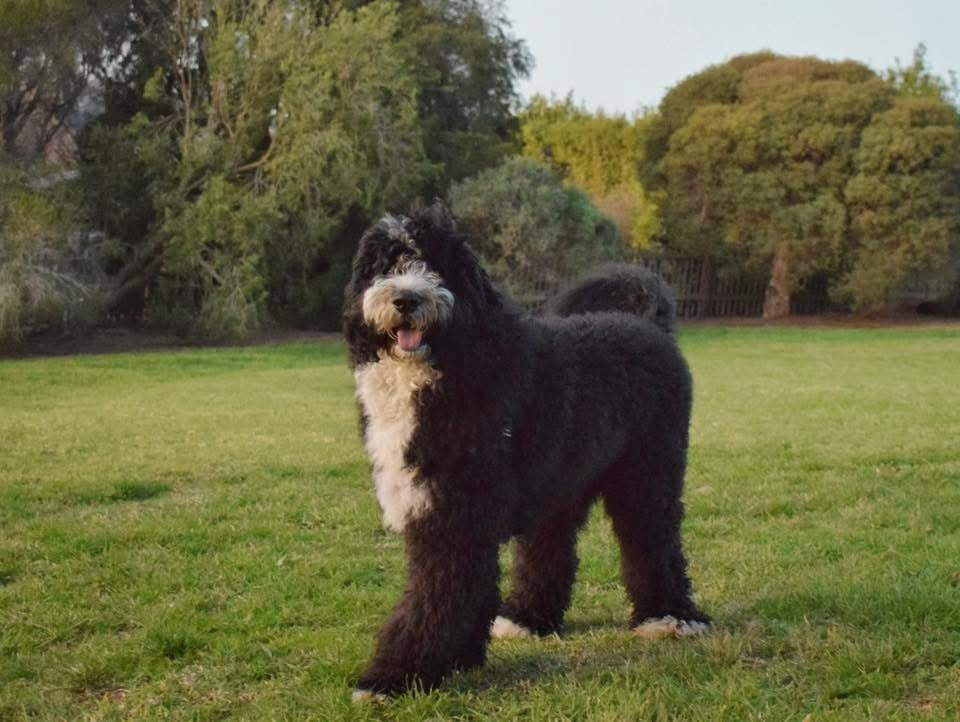
F1 Standard Bernedoodles - Bernese Mountain Dog x Standard Poodle (fleece coats low to non shedding, will grow approx 30-40kg)

We are hoping our bernedoodles will make great family pets. So far our feedback from our puppy families seem to tick the boxes for the typical bernedoodle nature - goofy, affectionate, loving, easy to train (most of the time!). My Bernese Mountain Dogs are extremely loving, loyal, a little bit goofy, and very laid back, so I'm hoping these traits will show in their puppies. I also love my standard poodle girls they are being crossed with, who are also beautiful laid back girls, very gentle and graceful, and are happy to lay around the yard all day.

Overall personality

F1 Mini Bernedoodle

  • More energetic and playful.
  • Often has a "big dog personality in a smaller body."
  • May be more alert and quicker to react to noises or visitors.
  • Well suited to active families or people who enjoy training and interactive play.

F1 Standard Bernedoodle

  • Generally calmer and more easygoing.
  • Often inherits more of the gentle, patient nature associated with the Bernese Mountain Dog.
  • Better suited to families wanting a relaxed companion who enjoys long walks and spending time with people.

Keep in mind

Because they're F1 crosses, there's quite a bit of variation. One mini may be calmer than another standard. Factors that often influence temperament include:

  • The personalities of the individual parents.
  • Early socialisation and training.
  • Genetics beyond size alone.

General Info - Bernedoodles

Maintenance Level: Medium
Lifespan: 12-15 years
Weight: Mini/toy 12-18kg, medium 15-25kg, standard 25-40kg
Height: 35-70cm (mini to standard sizing)
Temperament: Intelligent, affectionate, calm, playful, loyal
Health Risk: This breed is in the medium risk category for developing health issues, the main concern would be hip & elbow dysplasia, which is the main concern for all larger breed dogs. The cancer that is prone to develop in Bernese Mountain Dogs may also be an issue for Bernedoodles, but there have been studies undertaken that have shown Bernedoodles are much less likely to develop the cancers that are so prevalent in Bernese Mountain Dogs.


Behaviour

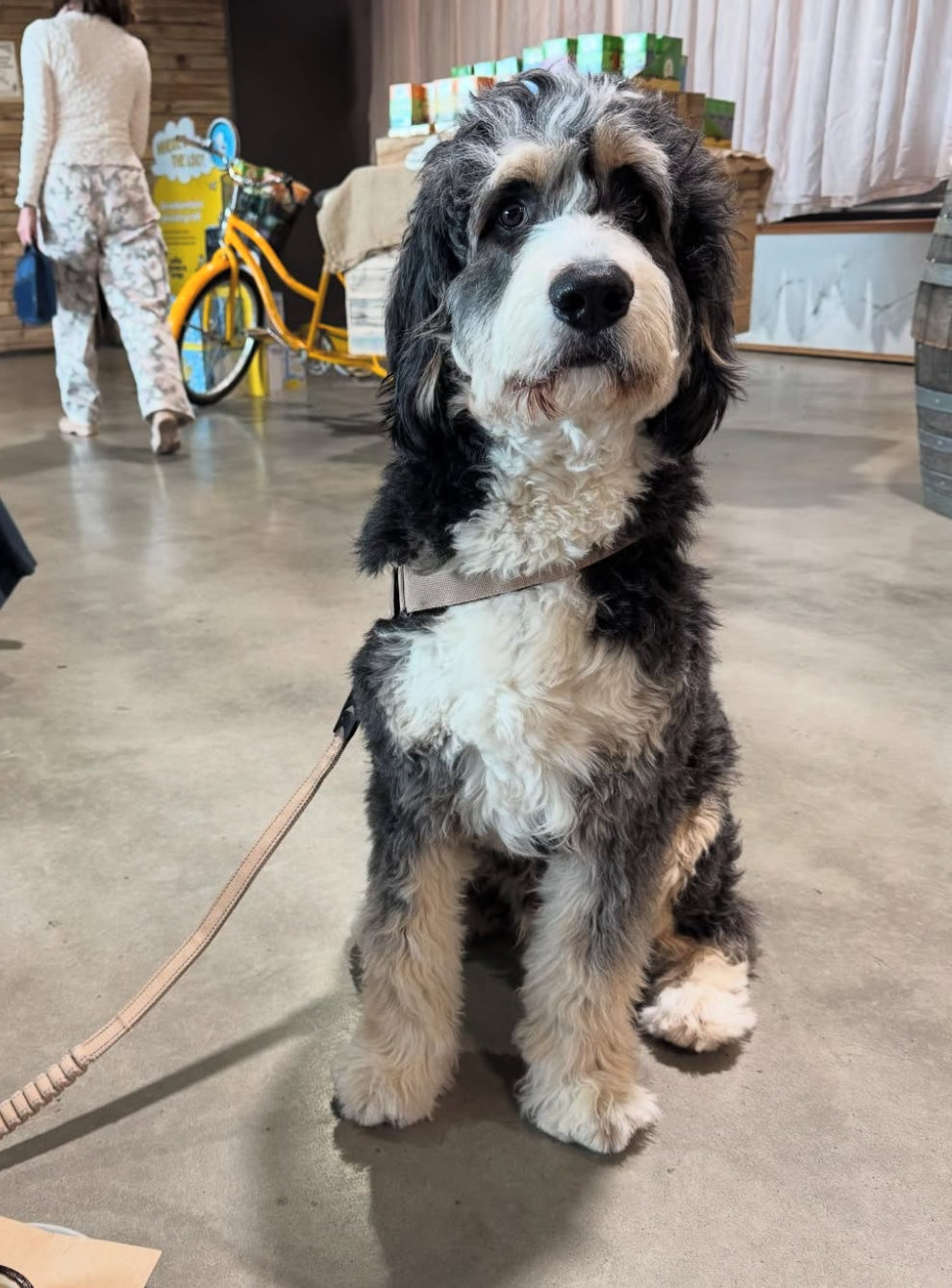
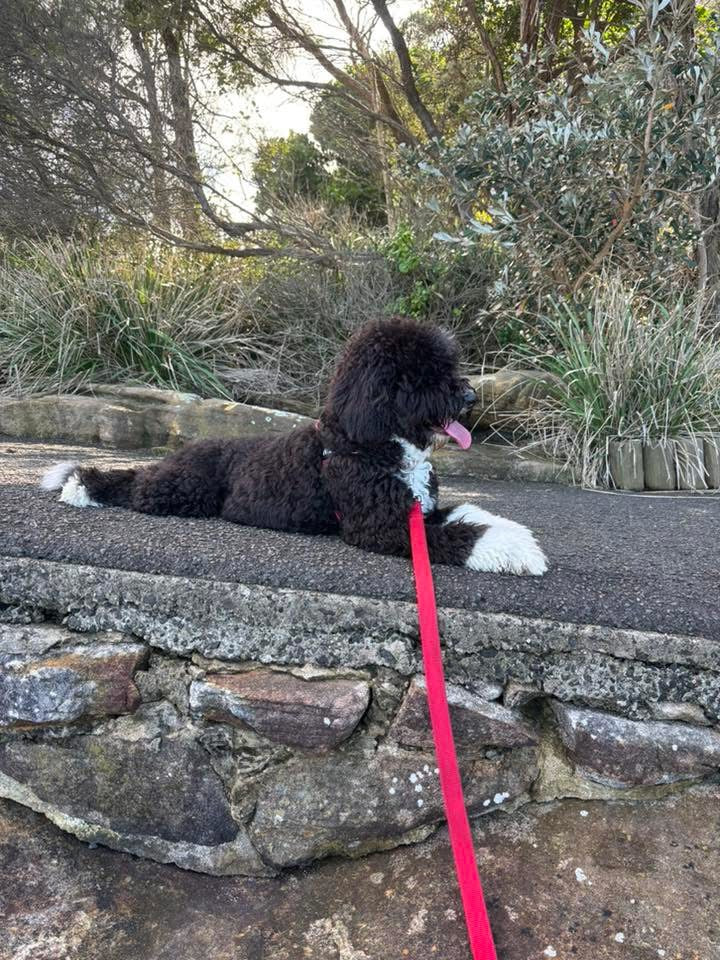
The Bernedoodle is a gentle, intelligent, and highly trainable hybrid dog breed that is a cross between the Bernese Mountain Dog and the Poodle. “Invented” in 2003, Bernedoodles, as well as their smaller hybrid relatives, the Mini Bernedoodle, have exploded in popularity ever since, with some becoming social media stars. One of the most notable characteristics of this breed is their intelligence. As descendants of Poodles, famous for their sharp minds, this breed exhibits remarkable cognitive abilities. Loyalty is another inherent trait in this breed from their Bernese Mountain Dog heritage. Incredibly devoted to their pet parents, this breed strives to be a constant source of comfort and companionship. Whether it’s learning new tricks or obedience commands, they are quick studies and enjoy mental stimulation


Grooming

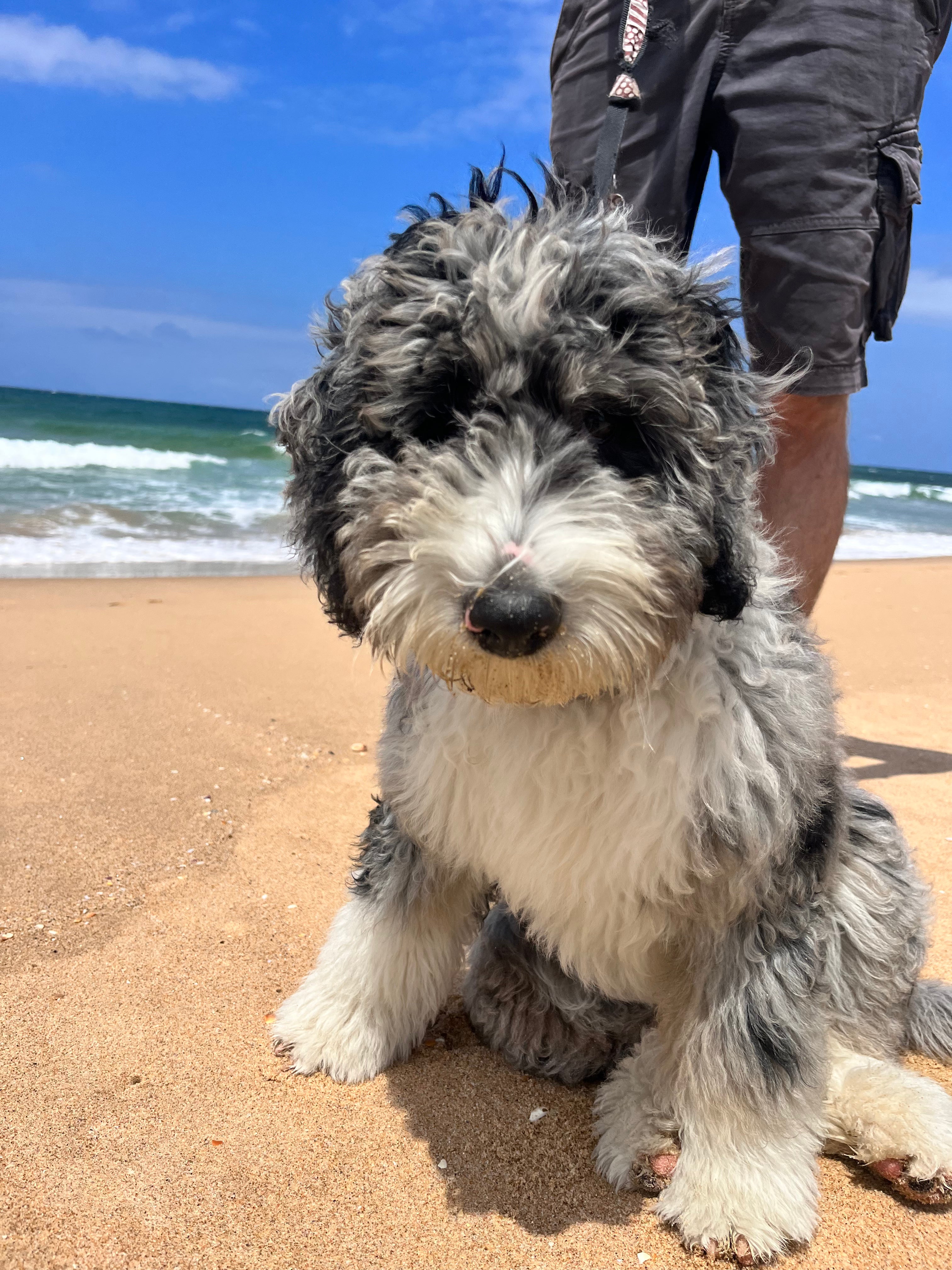
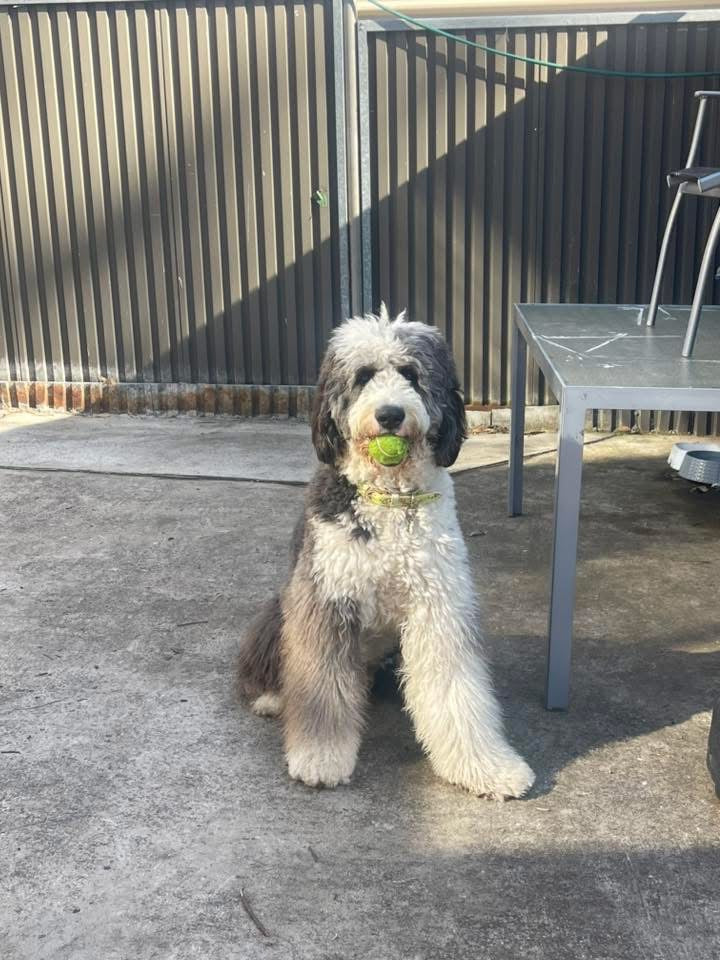
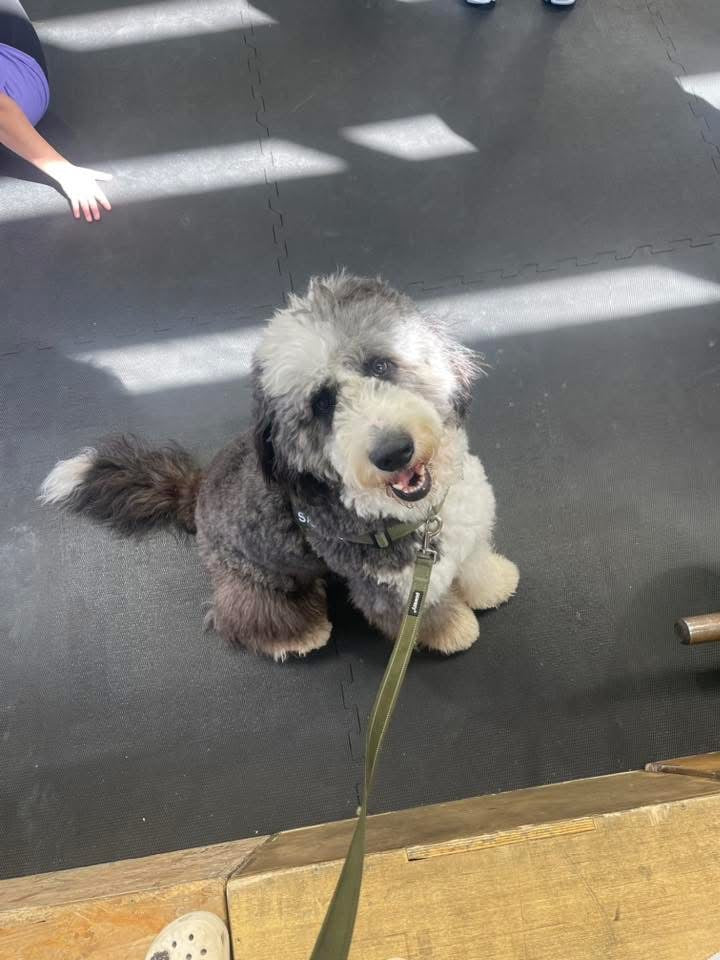
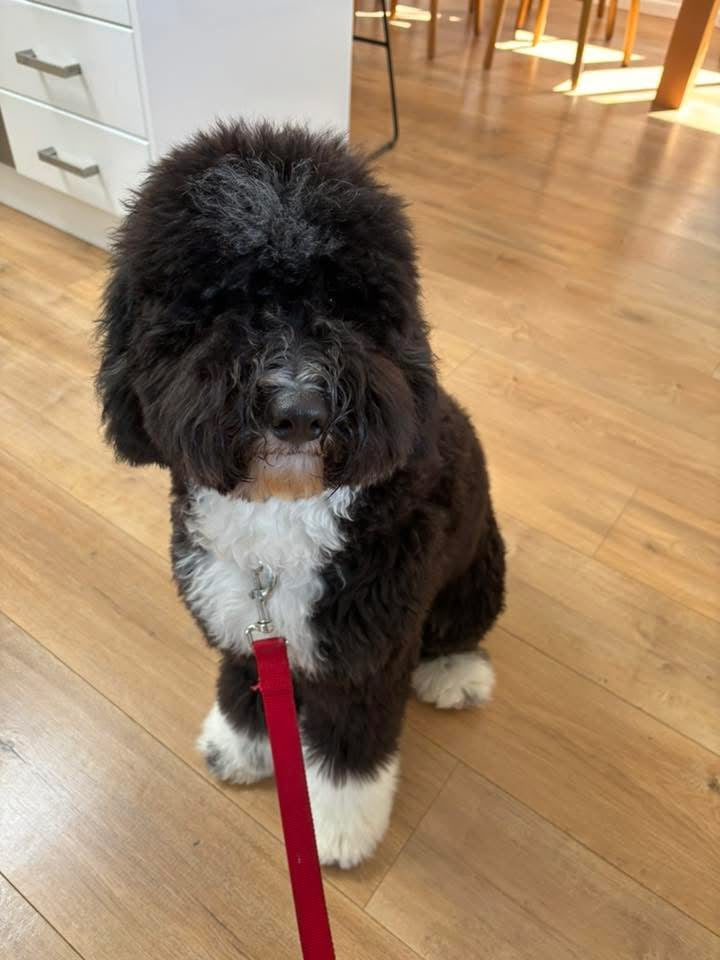
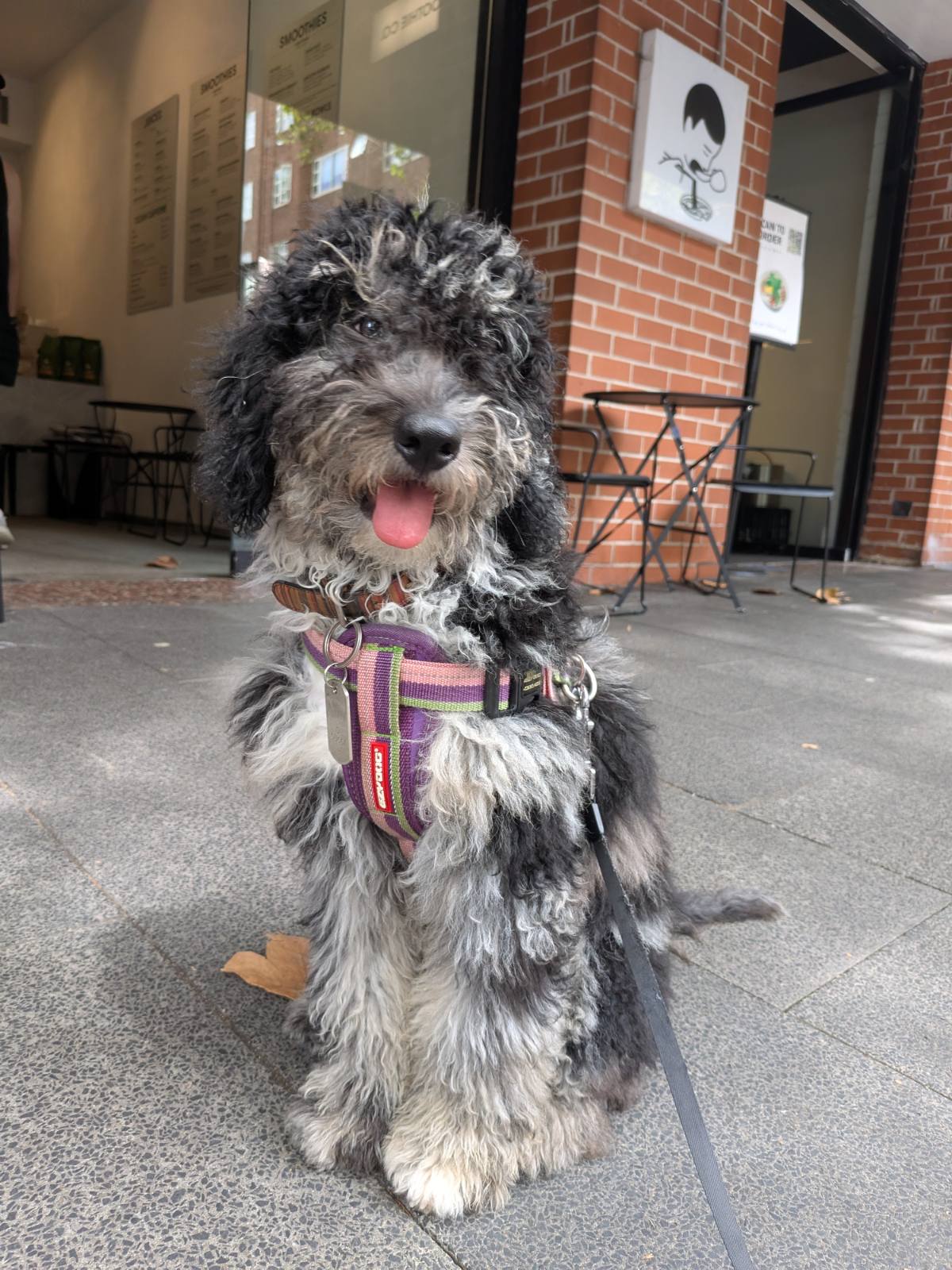
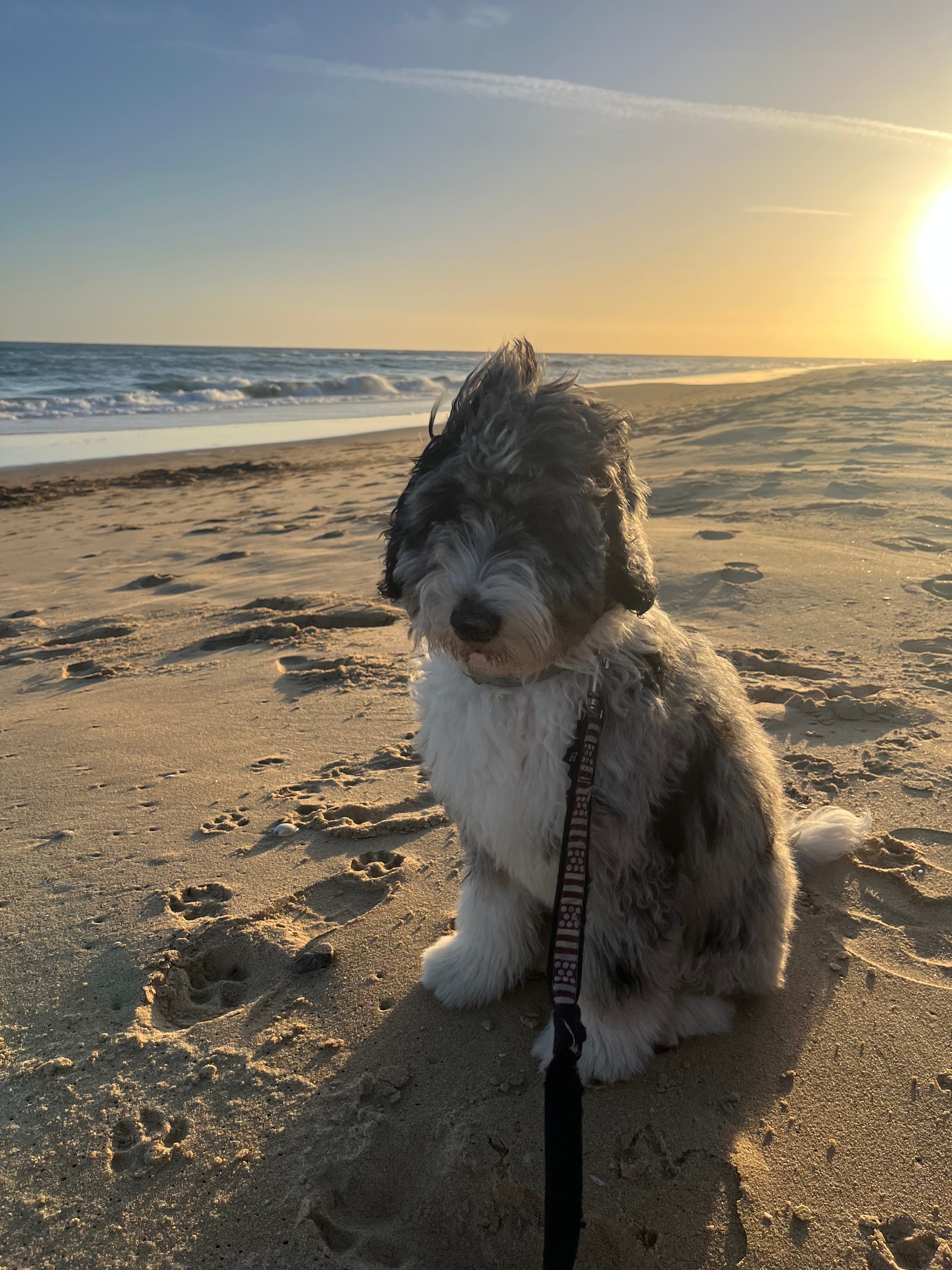
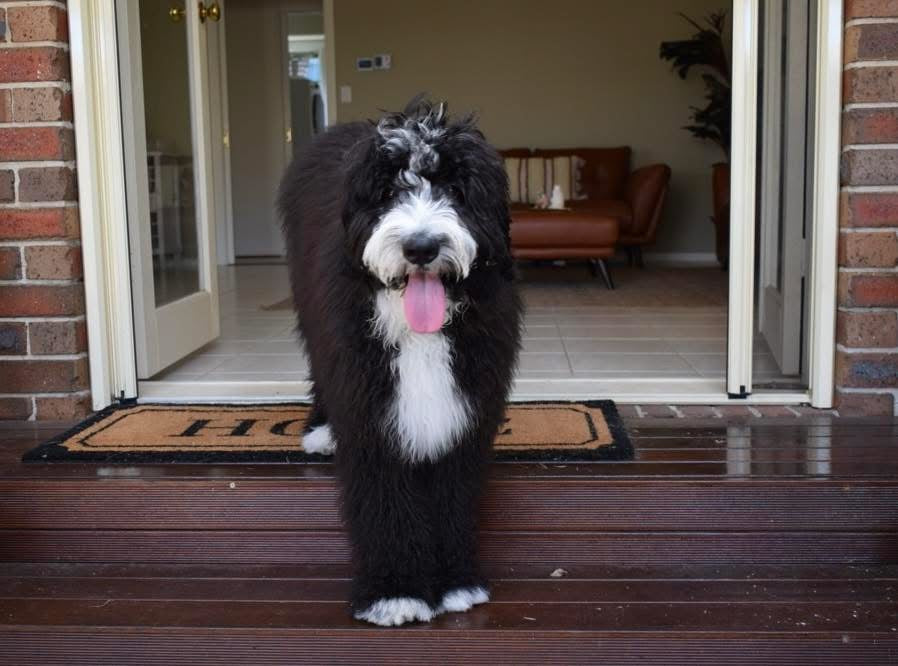
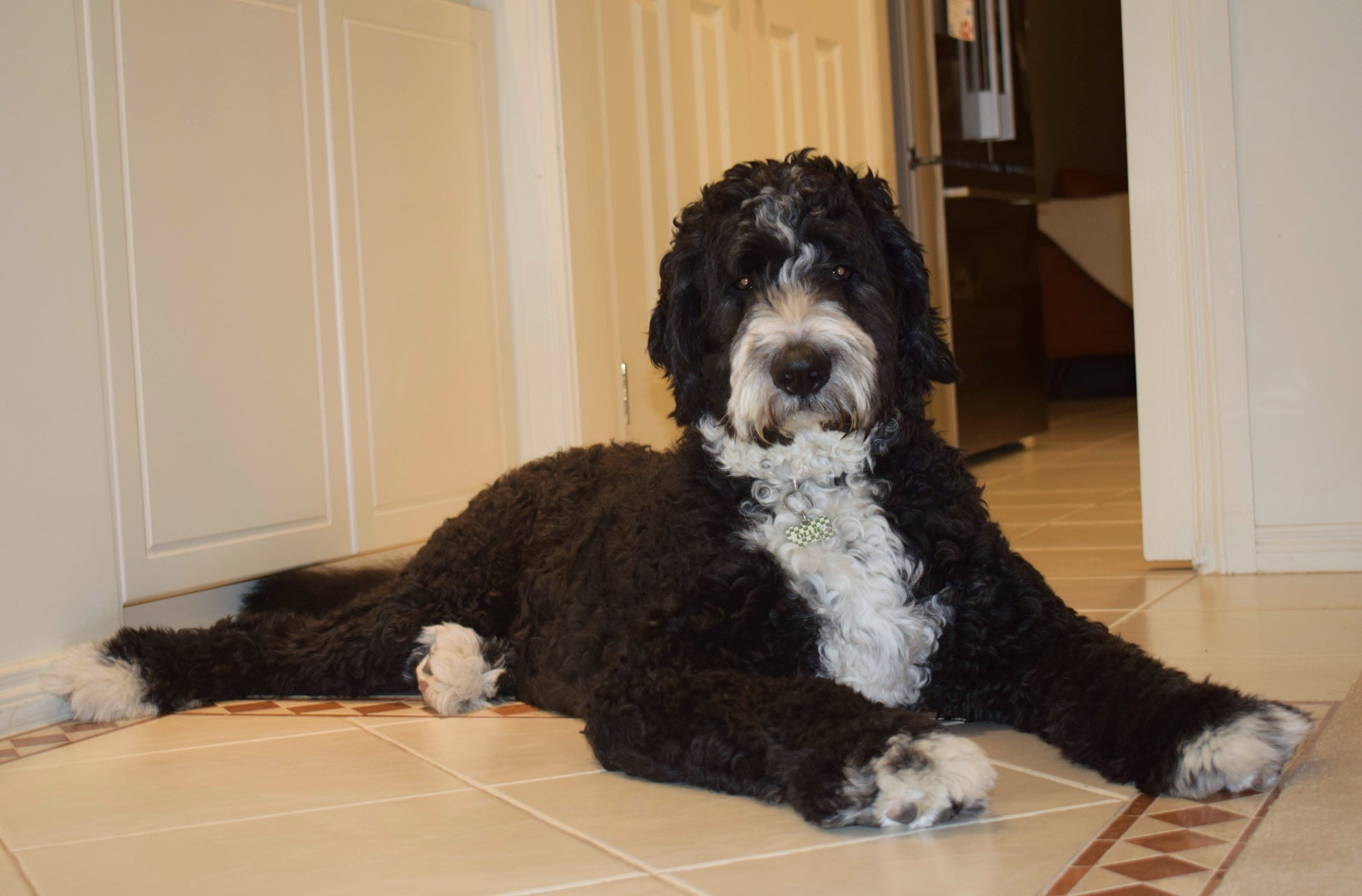
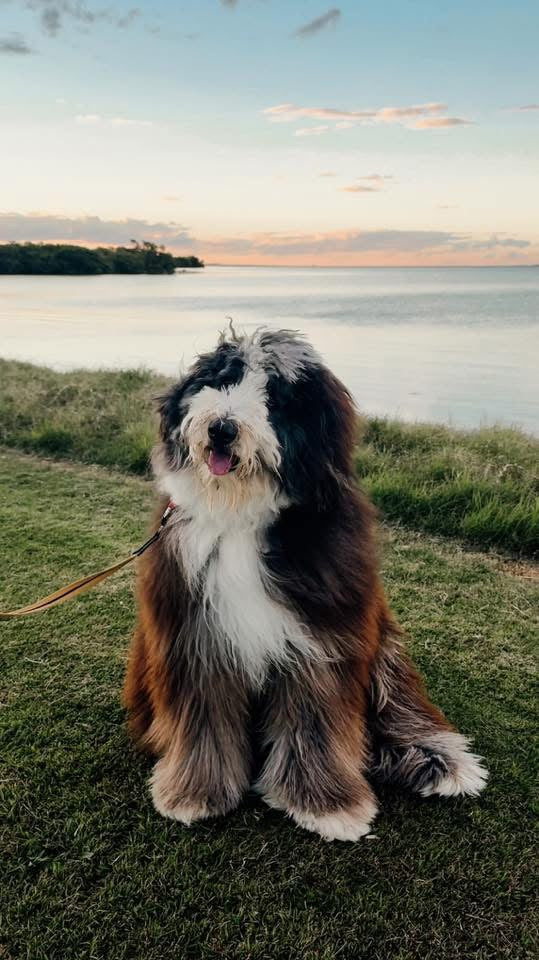
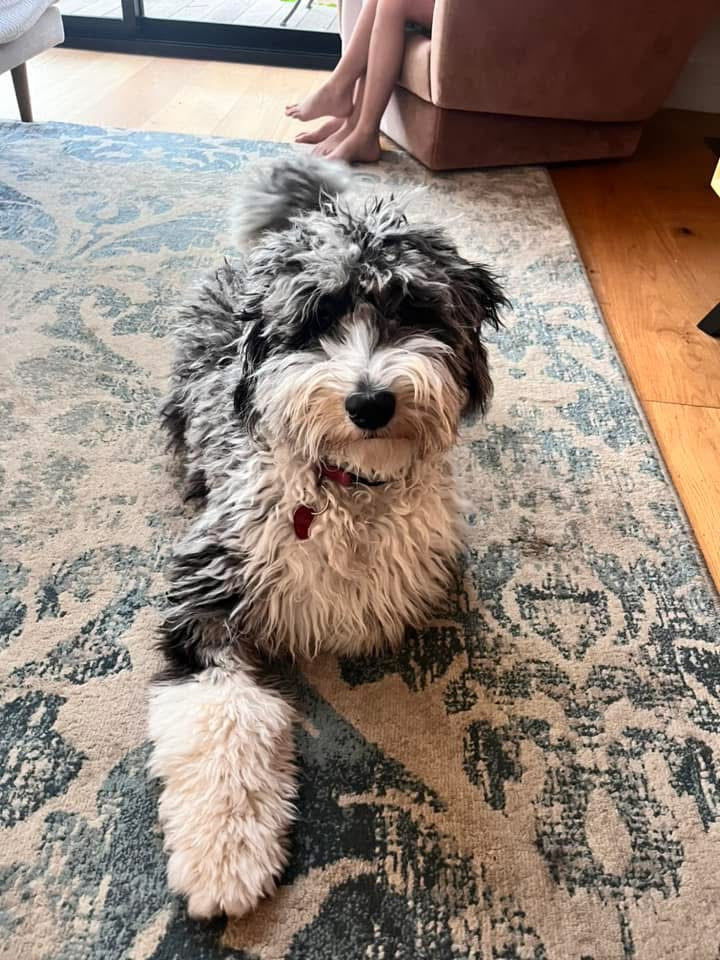
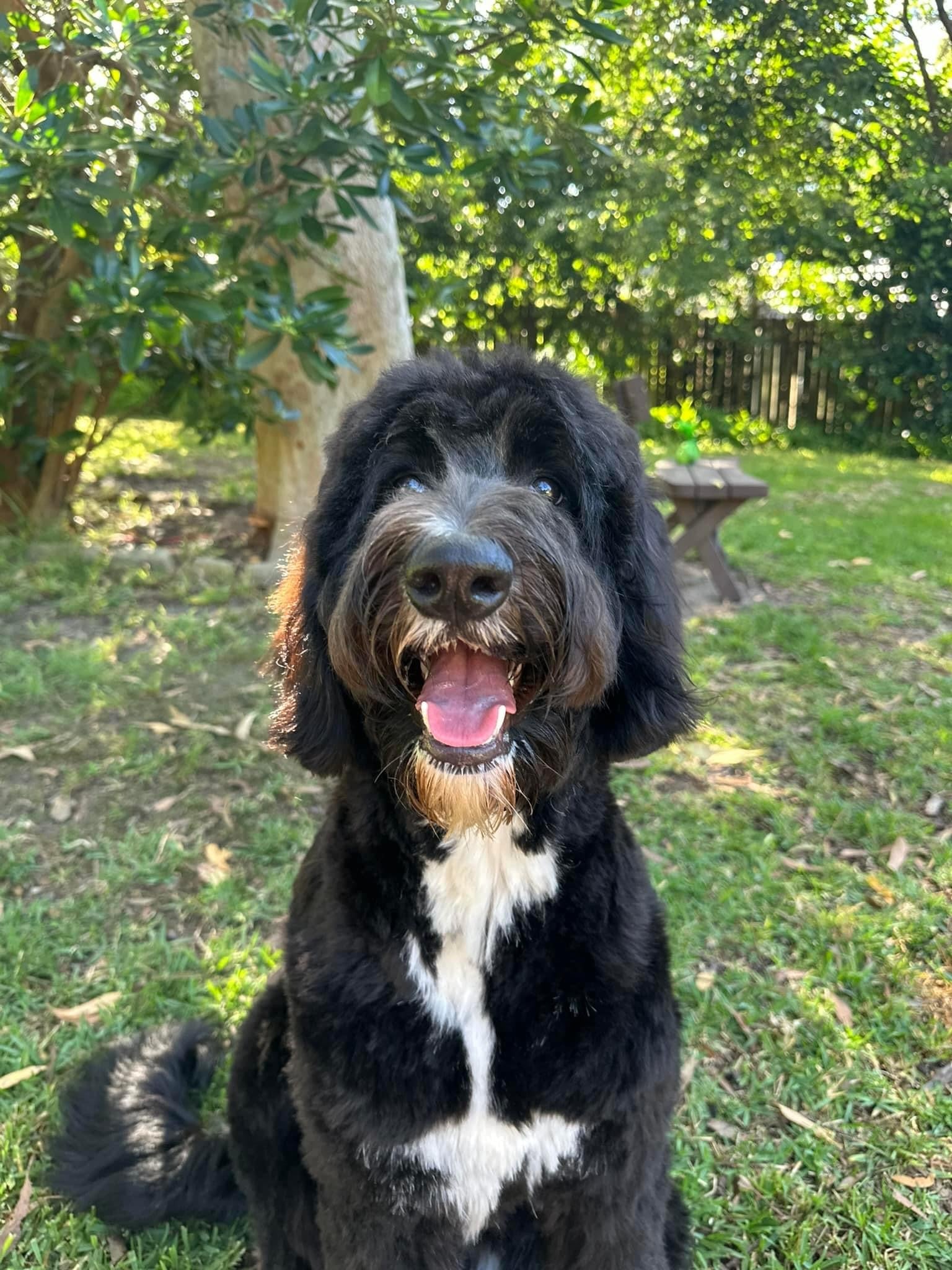
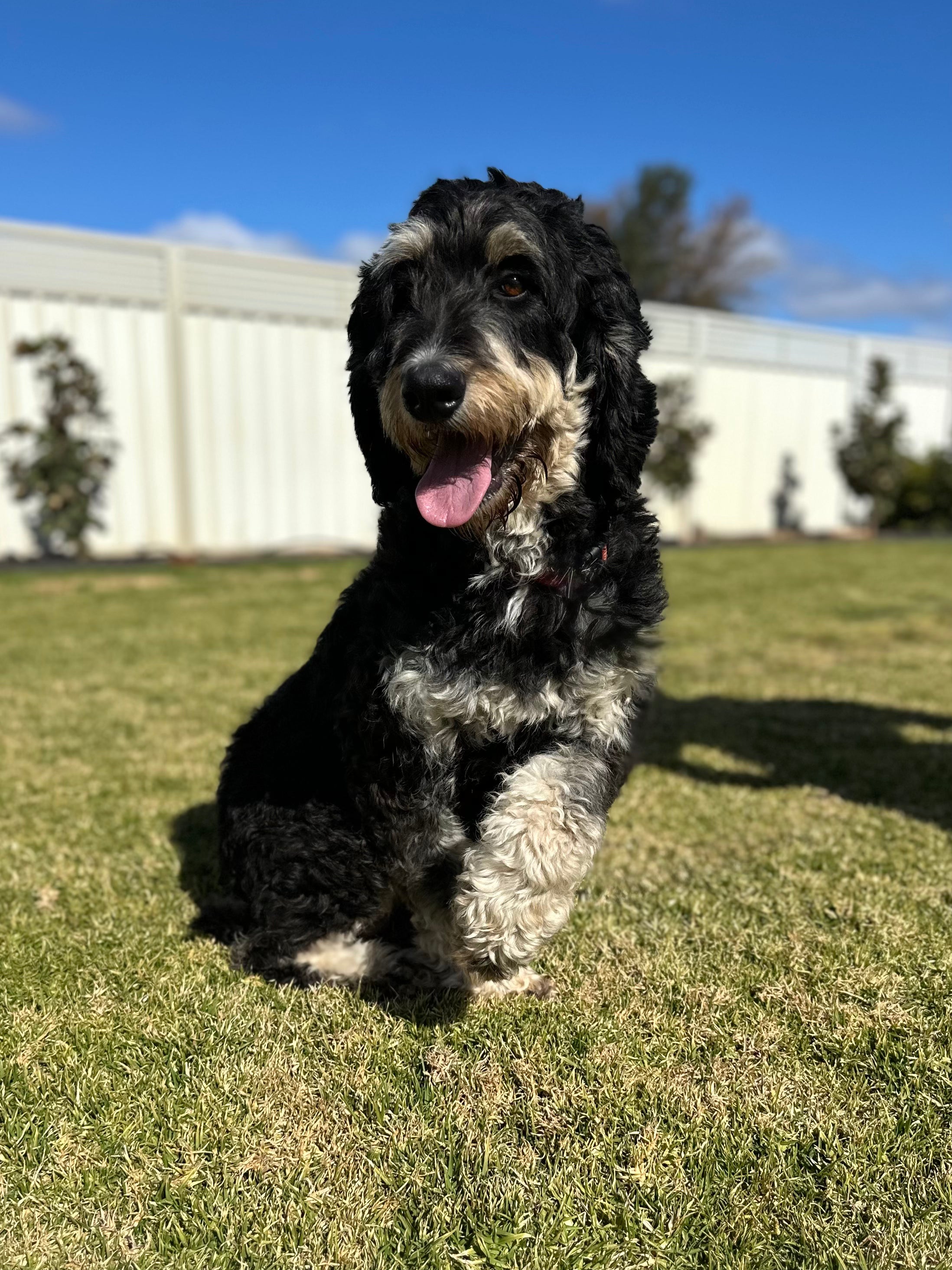
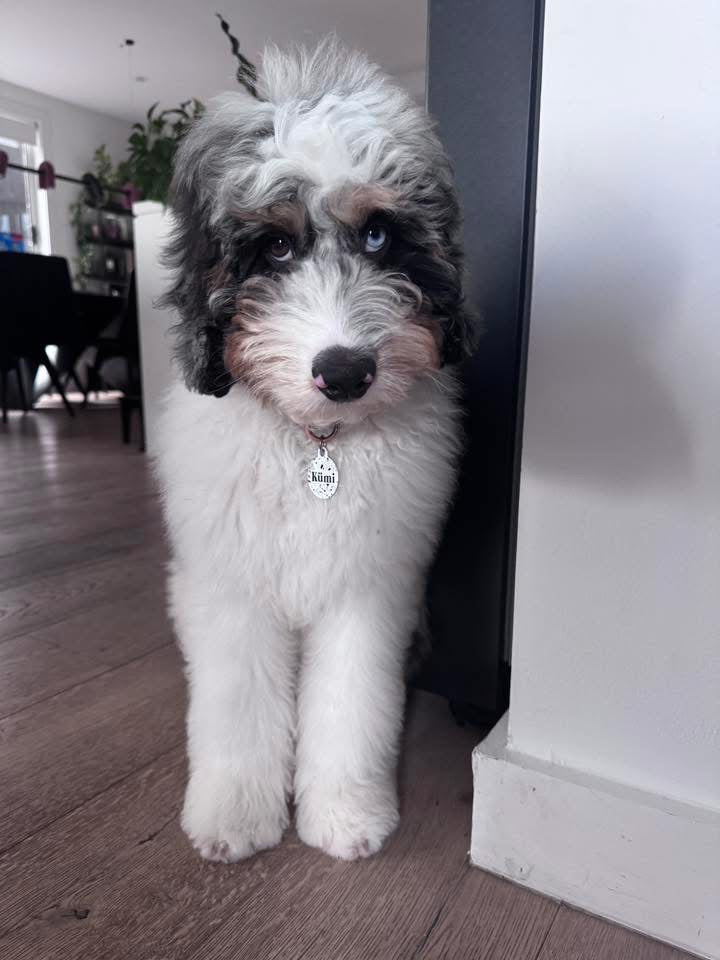
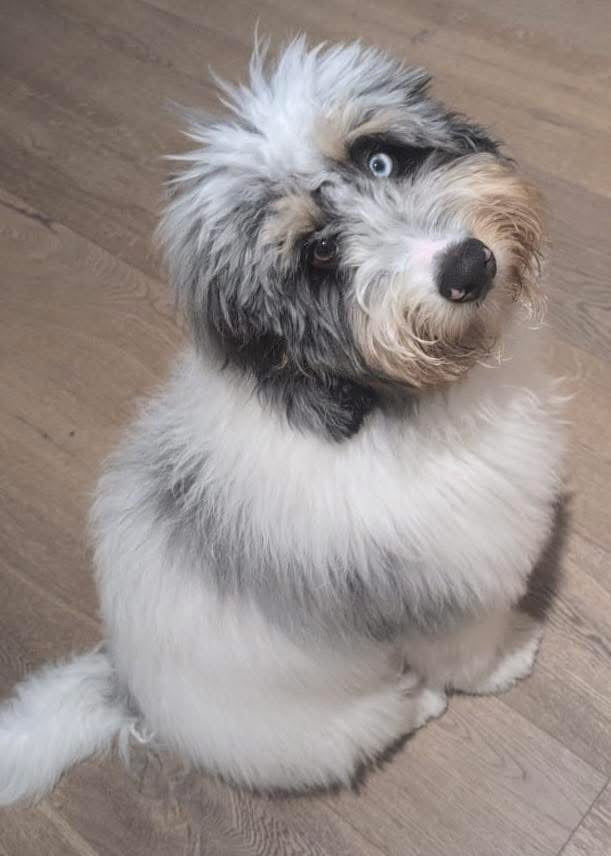
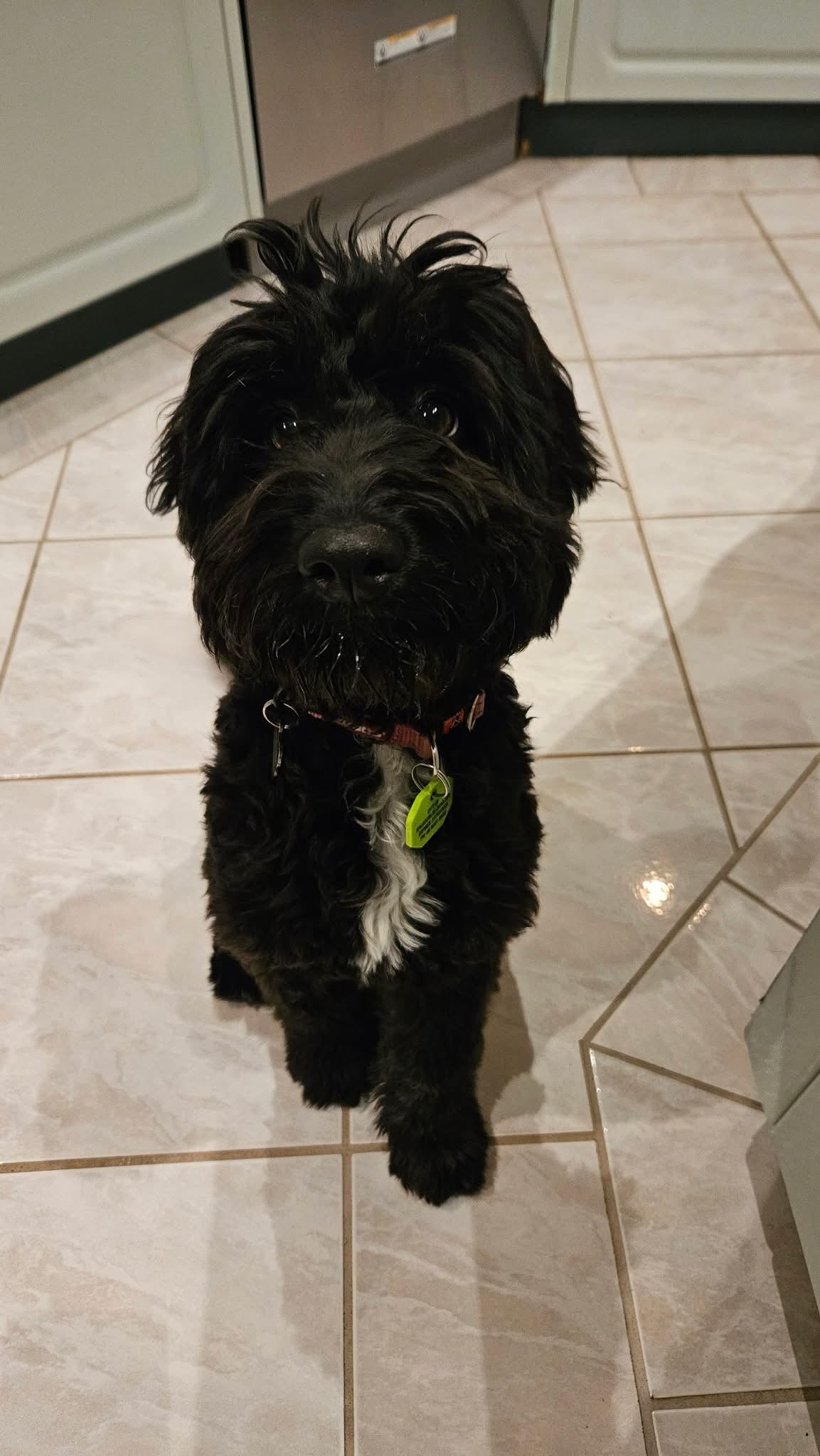
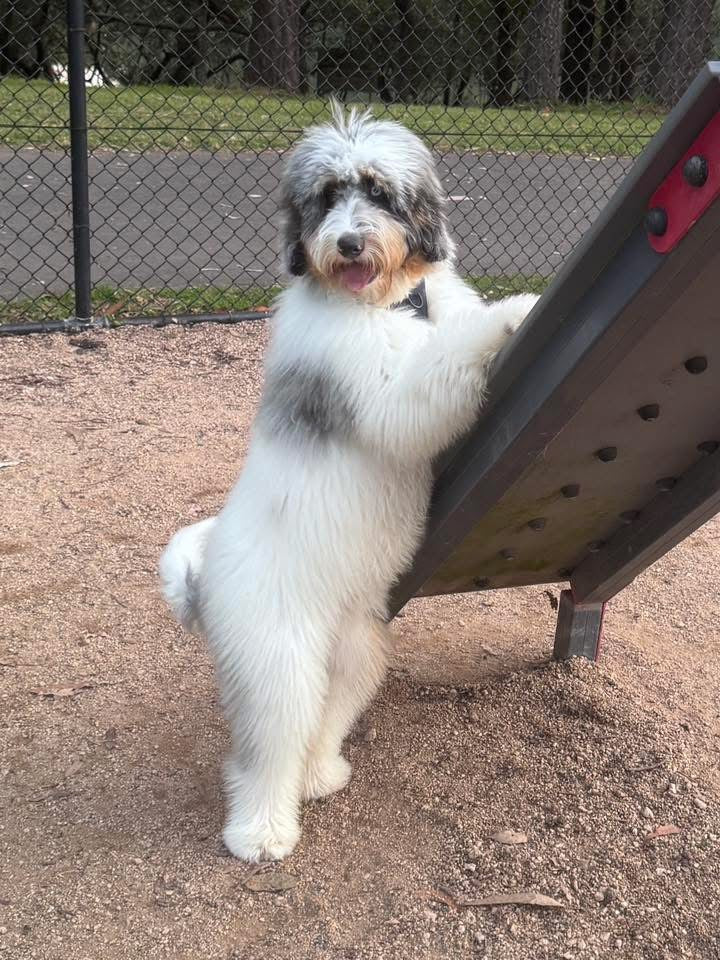
Bernedoodle coats can vary and look more Poodle-like or more closely resemble the Bernese Mountain Dog. Usually they have wavy, curly coats that don’t shed much, which can help make them more suitable for people with allergies to dander. Sometimes Bernedoodles can have straighter coats, which shed more and are less hypoallergenic.

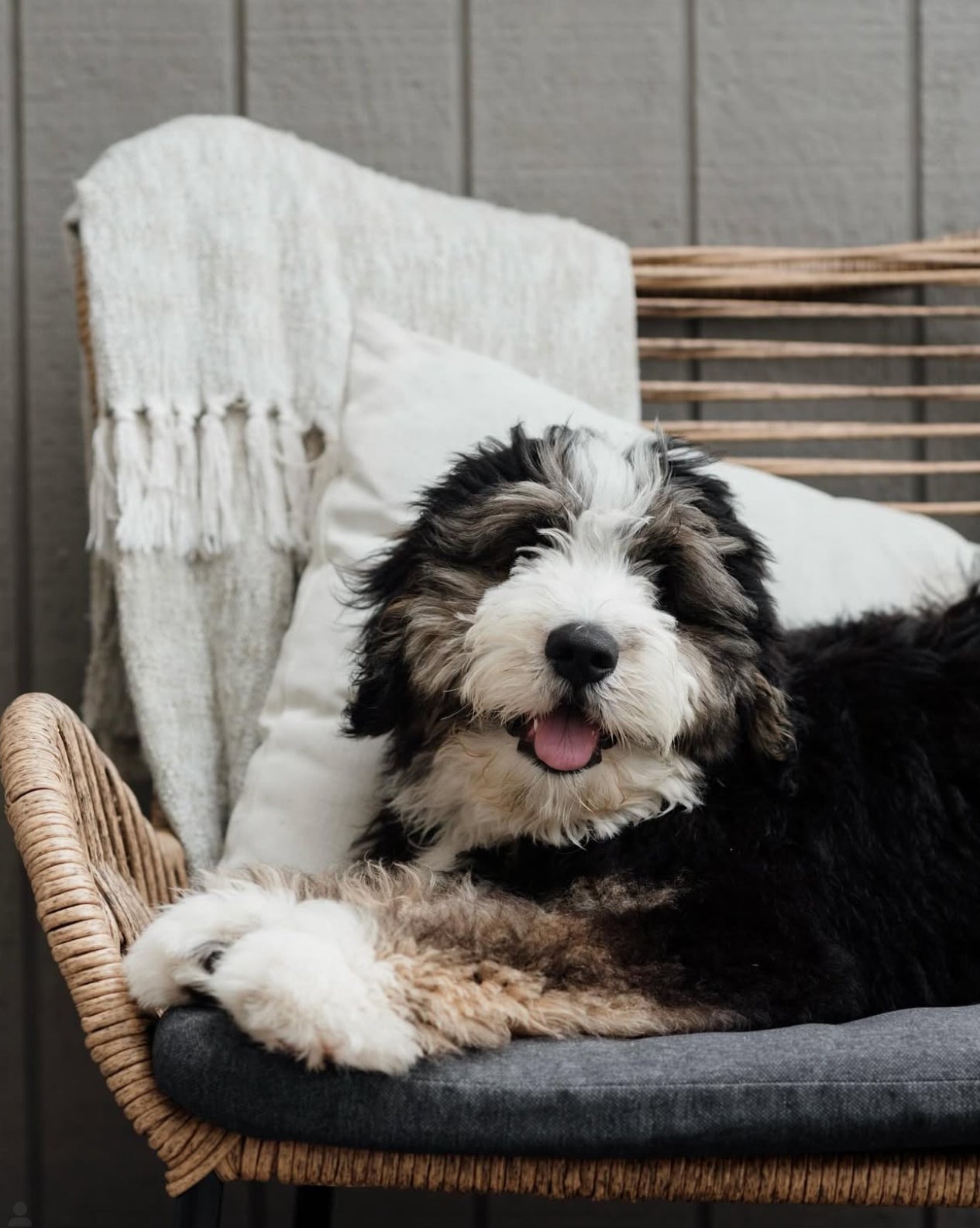
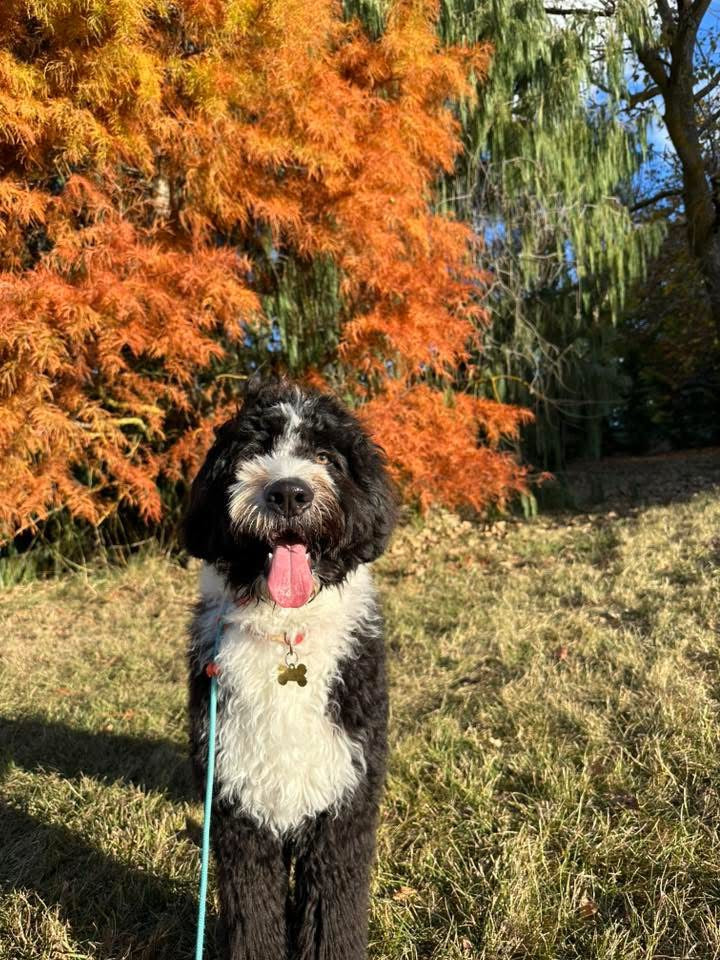
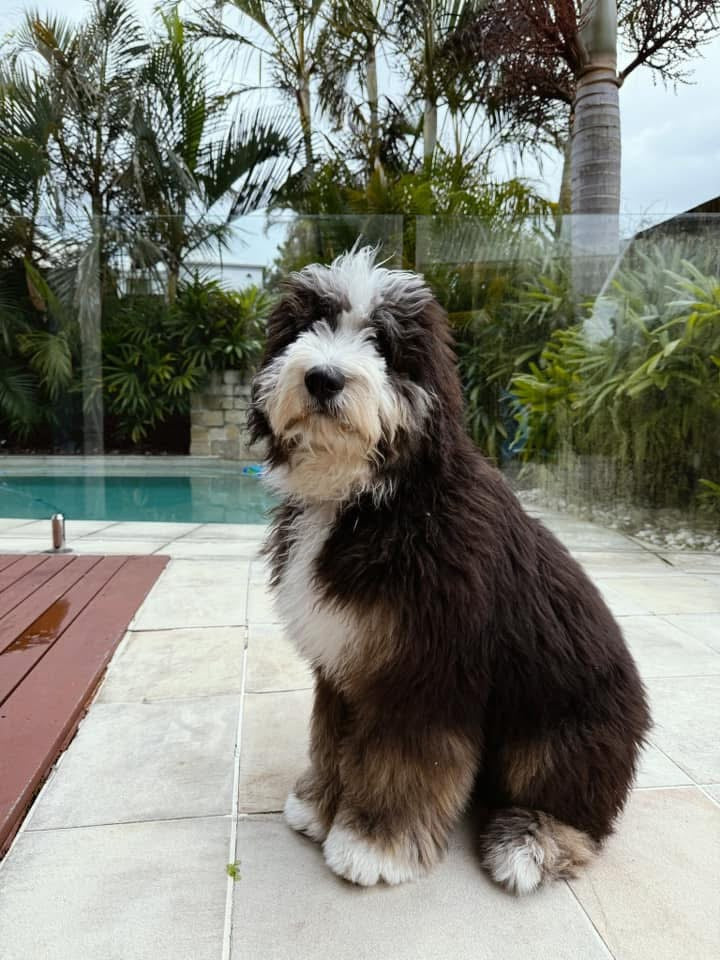
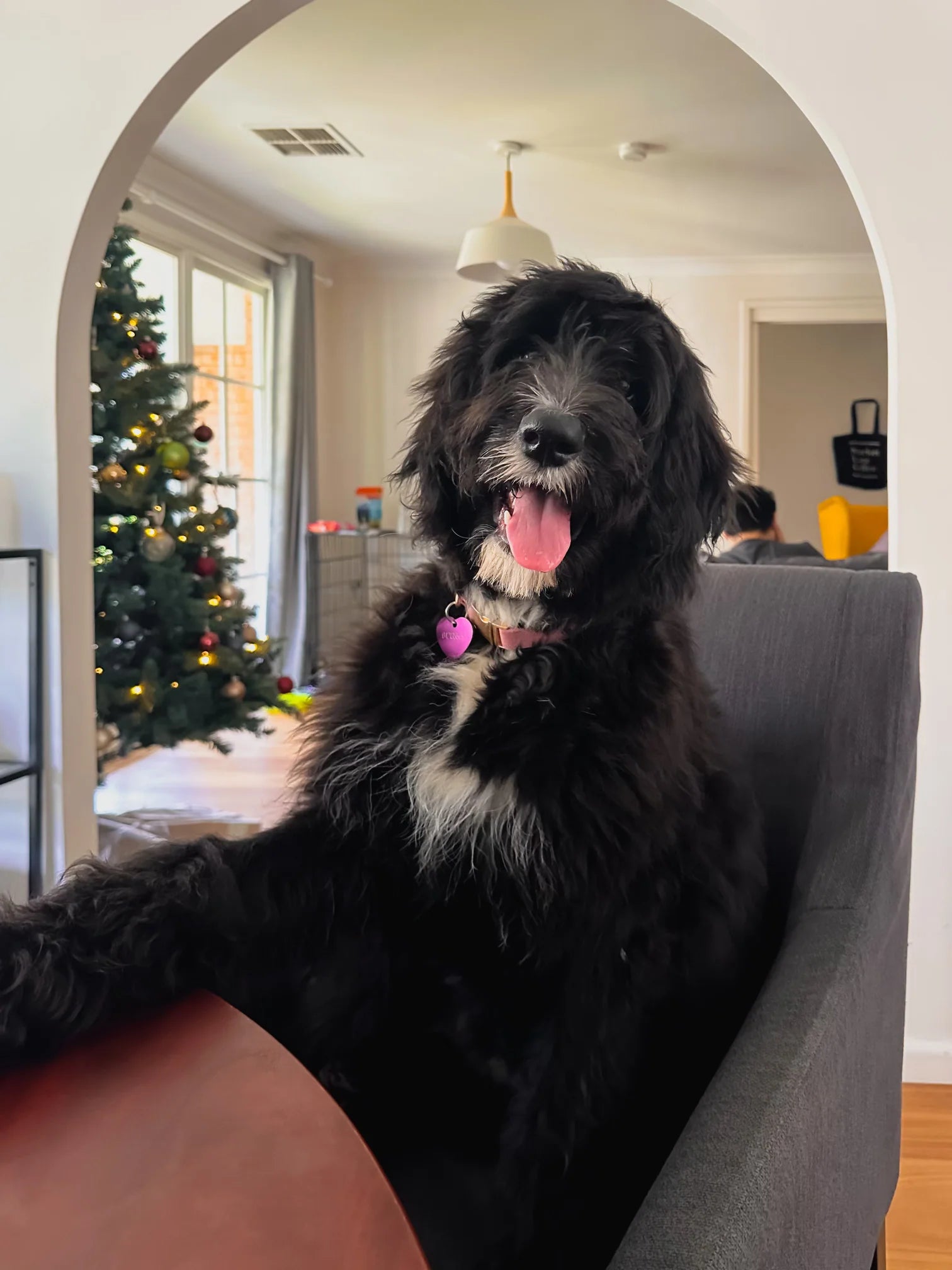
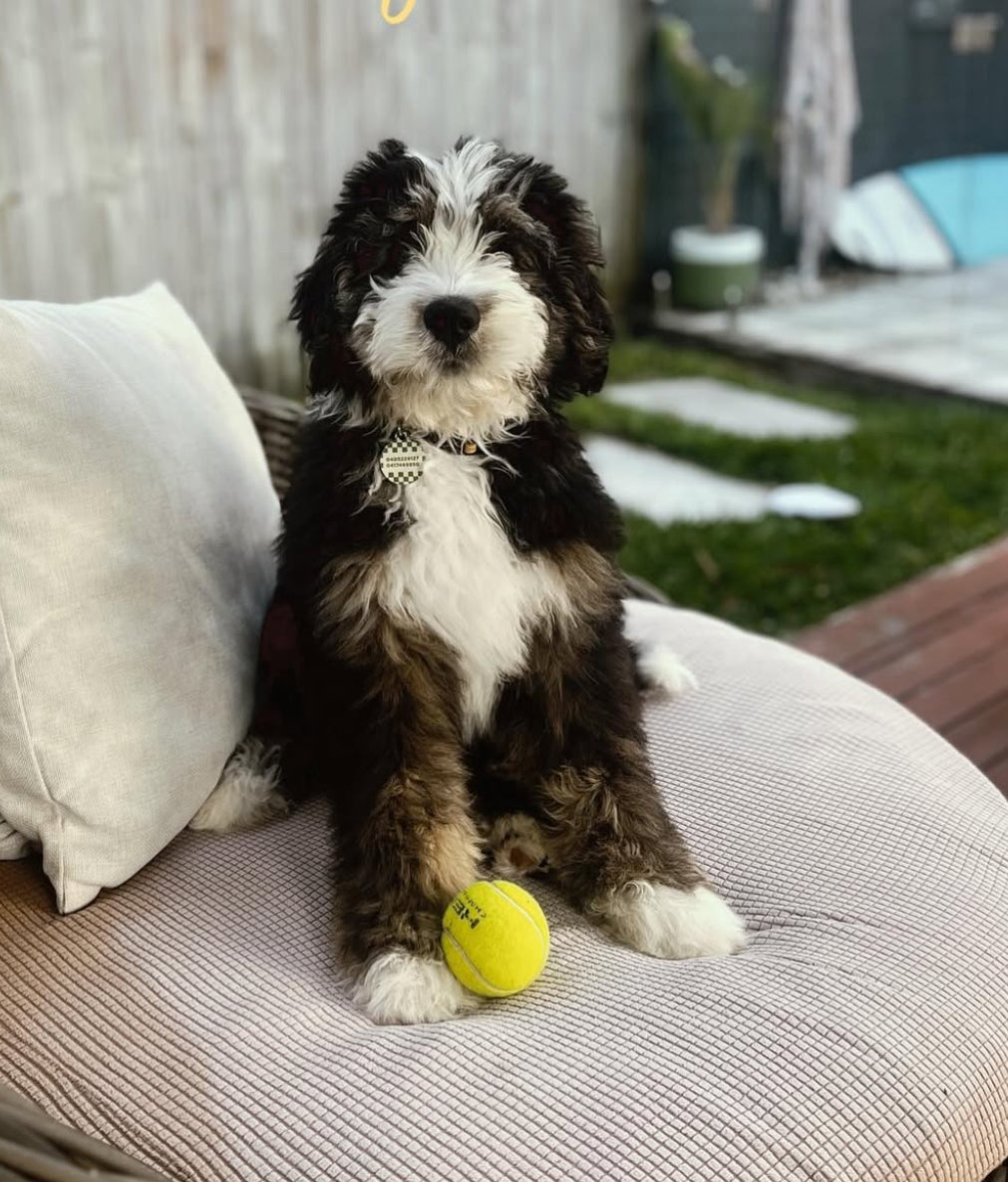
The thickness of their coat helps this breed thrive in cool temperatures while providing them a fair amount of protection from the heat of summer months, as well. The color of Bernedoodle coats have quite a range. Some are pure black, others are black and white, and others are black and brown. Sometimes Bernedoodles are tri-colored with patches of black, white, and brown. They may even have other colors, as well.

The most popular coat colors and markings for people seeking a Bernedoodle tend to resemble the tri-colored Bernese Mountain Dog. The curlier the Bernedoodle’s coat is, the harder it is to groom. Because they shed less, they need to be brushed more often to prevent their coat from getting matted.

Some Bernedoodle owners brush their dog’s coat daily and treat it as a bonding experience, which this breed tends to love. Their coat must also be trimmed every few months, depending on how quickly it grows.

Exercise

Tiny and Miniature Bernedoodles are more suited to apartment life, while Standard Bernedoodles do better with a nice yard to run around. Generally, this breed doesn’t require much personal space, and as long as their moderate needs for physical and mental stimulation are met, they shouldn’t be too destructive.

Just how much exercise your Bernedoodle needs will depend on their size, with the toy versions needing slightly less than the standard. But all can benefit from a daily walk to explore the neighbourhood and socialise with other doggos.

It’s also important for your Bernedoodle to have designated playtime. While some pups are perfectly content with a long stroll or jog, the Bernadoodle is a goofy, playful doggo. They’ll have much more fun playing ball and tug-o-war than they would walking around sniffing bushes (not that they’ll say no to that, though!). And keep in mind that your Bernedoodle will expect your full participation. They’ll prance around and try to grab your attention until the whole family is involved in the game.

Please note with all puppies (particularly larger breeds that are prone to hip dysplasia), it is usually recommended to not over-exercise a puppy to not put too much stress on growing joints. The recommended daily amount is 5 minutes every month of life (for example, a 3 month old puppy only requires 15 minutes of exercise). Excessive stair use on large breed puppies can also lead to hip and elbow dysplasia. Getting pet insurance to cover hip & elbow dysplasia in your dog is highly recommended.